
What production consumes by day
Bills and shift patterns establish the useful system range before panel count is discussed.
Industrial solar & electrical
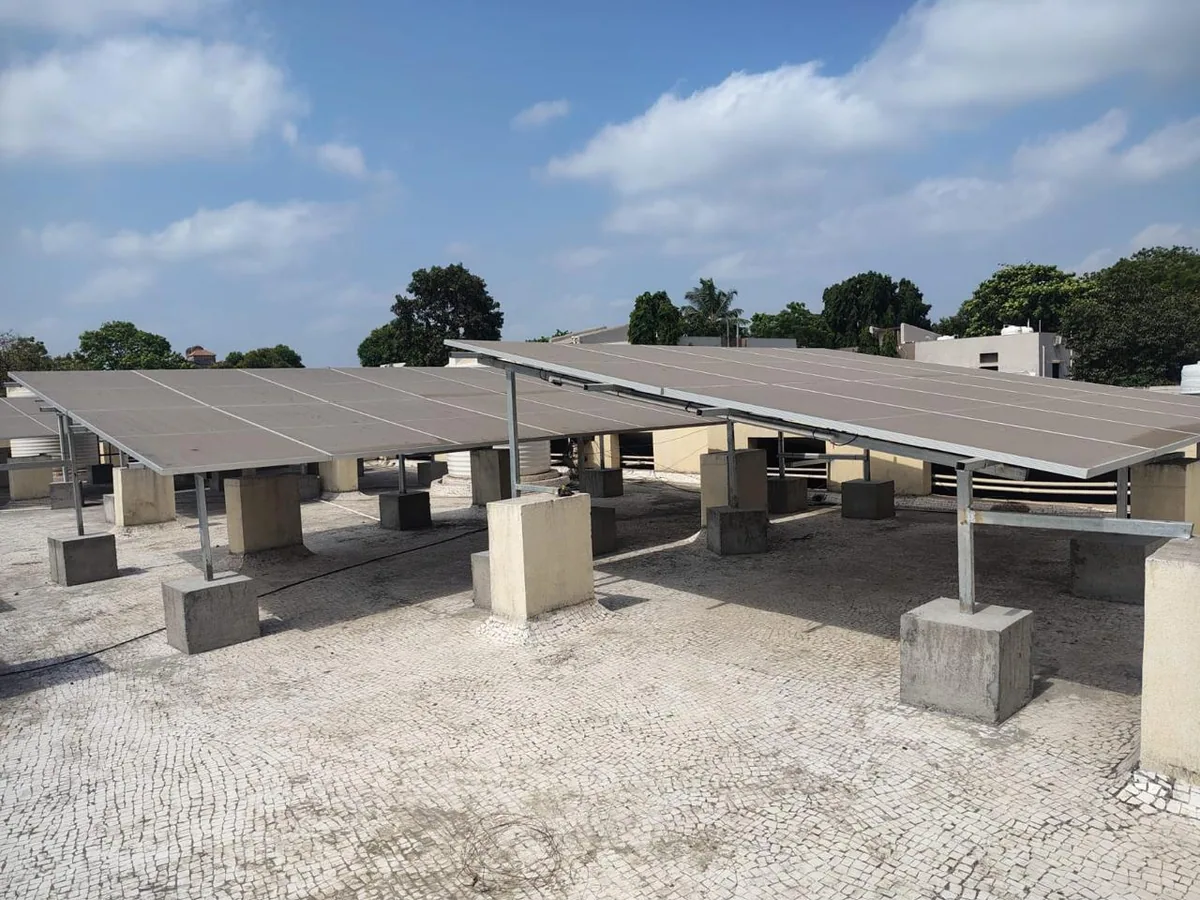
Designed for the way your site works
Shift demand, roof condition, shutdown windows and the electrical connection are planned as one job.
Before a useful quotation
Bills and shift patterns establish the useful system range before panel count is discussed.
Roof condition, lifting access and live work zones shape the structure and installation sequence.
The LT/HT system, protection and agreed shutdown window determine the final electrical route.
Our scope
Scroll through the work that sits behind the finished rooftop array.
We size from your shift load and your bill, not from how many panels fit.
Structure, tie-in and sequence are planned so production keeps moving.
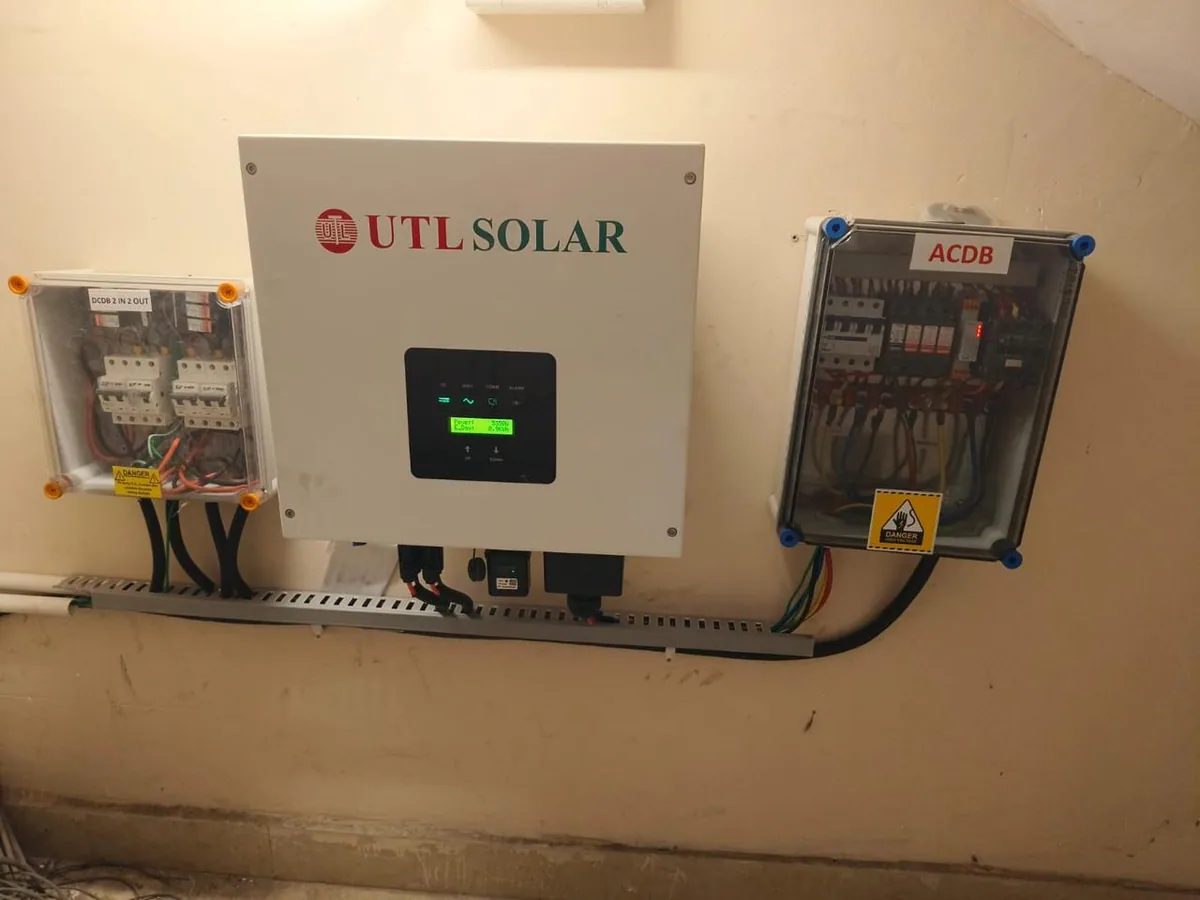
Distribution built for your real connected load, your expansion plan and your fault level.
Panel design, busbar sizing, protection coordination, cable routing, installation and testing.
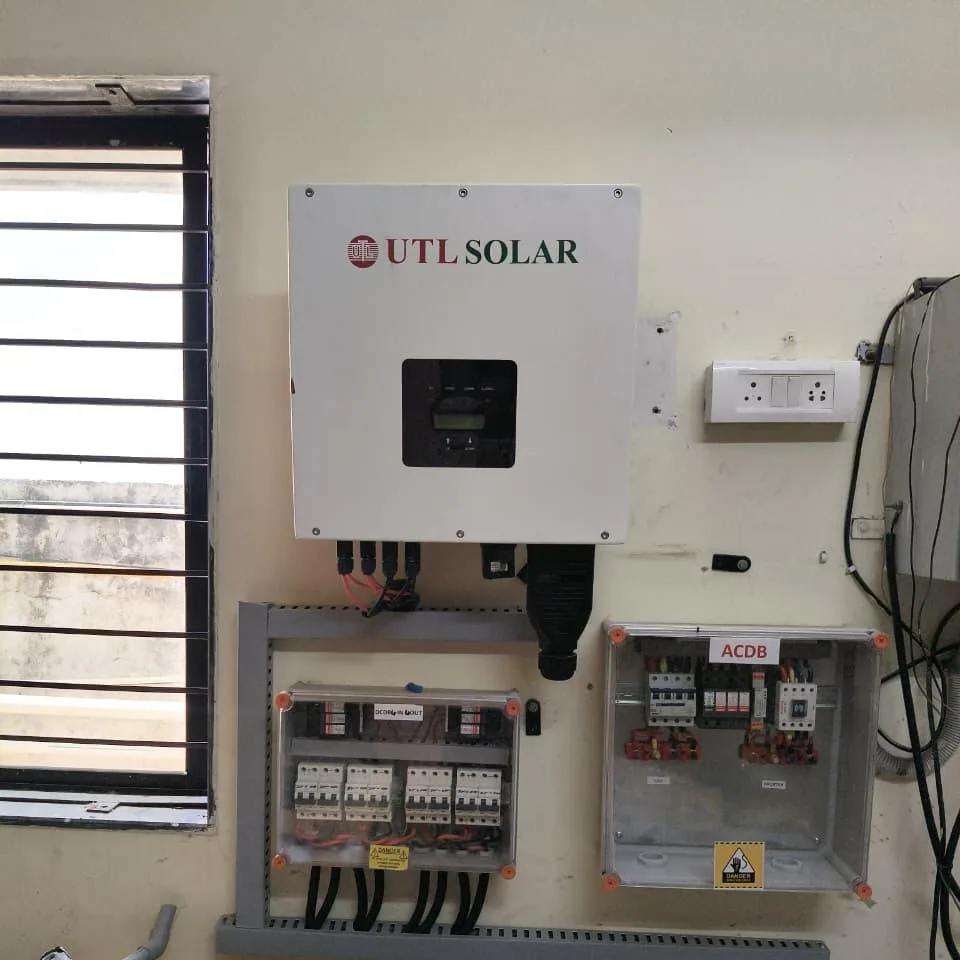
Panels built around the machine, the operator and the fitter who will open it at 2am.
Drawings, component schedules and test records handed over with the job.
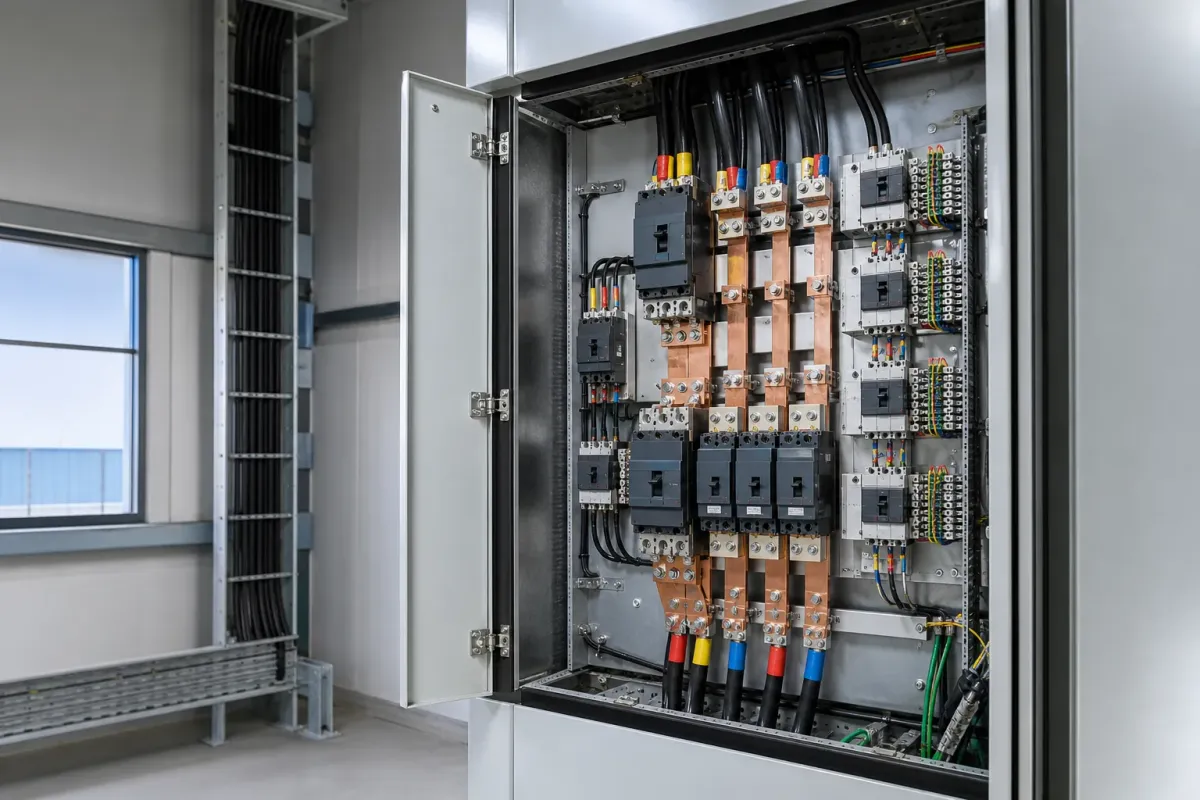
We study your demand peaks and reactive power before picking a correction method.
A properly sized APFC panel usually pays back faster than anything else on the bill.
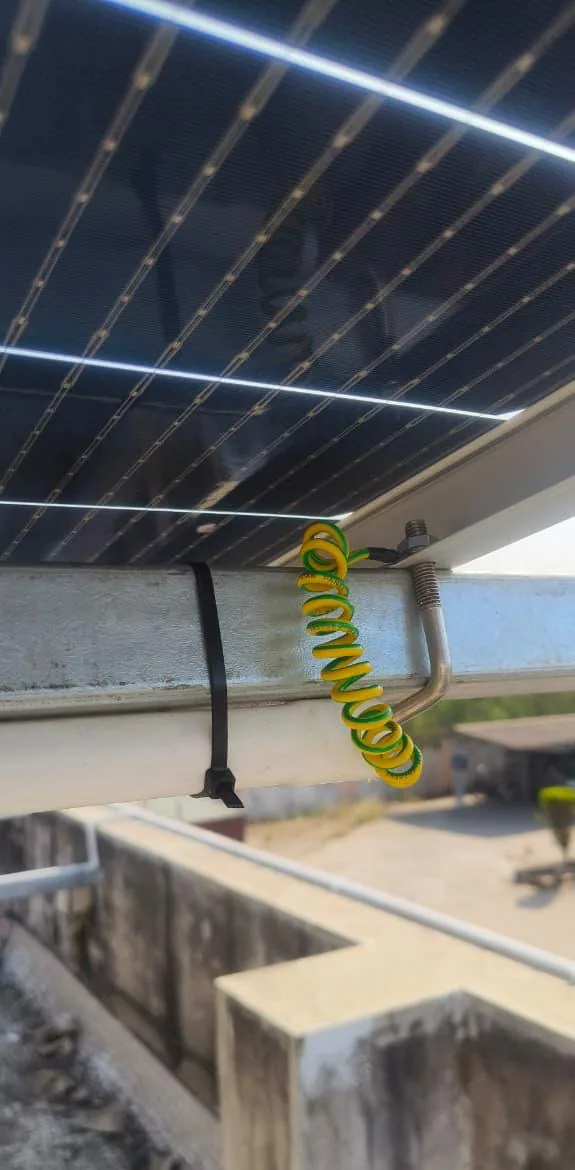
Planned inspection finds the thermal and protection faults before they stop a line.
Scopes can cover the solar plant and the electrical infrastructure under it.
The case for solar
Electricity is one of the few big costs in a factory you can genuinely bring down for good. The roof space is already yours, and it is already sitting in the sun.
Indicative figures
Three examples so you can see the shape of it. These are worked estimates, not past projects. We have used 4.4 units per kW per day, which is the careful end of what Gujarat rooftops actually give, and valued each unit at ₹8 — a little under what you pay, because your fixed and demand charges carry on regardless.
Based on ₹40,000 per kW installed and ₹8 a unit.
Based on ₹38,000 per kW installed and ₹8 a unit.
Based on ₹36,000 per kW installed and ₹8 a unit.
Your own figure depends on your roof, your tariff and how much of your load runs during the day. We will not put a payback number in writing before we have seen your site — a free visit settles it properly.
Figures are indicative and subject to applicable government regulations, tariff structure, project conditions and tax treatment.
Tax treatment
Solar is a business asset, so the tax treatment differs from an ordinary electricity bill. What actually applies depends on your company, your books and the regulations in force when the plant is commissioned.
Section 32 of the Income Tax Act lets a business write off 40% of the system cost in its first year, and the rate is unchanged for 2025-26. If the plant is commissioned in the same year, a further 20% may also apply.
GST paid on a system used for your business may be available as input credit, depending on your registration and how the asset is used. Your CA will confirm what applies.
When the panels make more than the building is using, the surplus goes to the grid and is credited against later bills under your DISCOM net-metering arrangement.
Your meter records exactly how much clean power you generated, so CSR and sustainability reporting uses a real figure instead of an estimate.
How much of this applies depends on your company and how the asset is entered in your books, so please run it past your CA before it goes into a proposal. These are not guaranteed benefits.
Figures are indicative and subject to applicable government regulations, tariff structure, project conditions and tax treatment.
Our process
We review the bill, daytime load, roof and electrical connection.
You receive a site-specific layout, equipment plan and approval route.
Work is scheduled around access, safety and operating hours.
We test the system and organise the final project records.
Industrial enquiry
Send your connected load and a recent bill. We come back with the likely capacity, the structural and connection questions that decide it, and what the survey needs to confirm.
Initial size and fit review
02Call with site-specific questions
03Survey when the project is ready