In short
- Net metering runs 1 kW to 1 MW; beyond that it is gross metering or open access
- LT connectivity extends to 150 kVA of contracted demand; above that the plant connects at HT
- Area solar is capped at 30% of distribution transformer capacity, so nearby installations can constrain you
- PM Surya Ghar is residential only and does not apply to commercial or industrial connections
Net metering, and where it stops
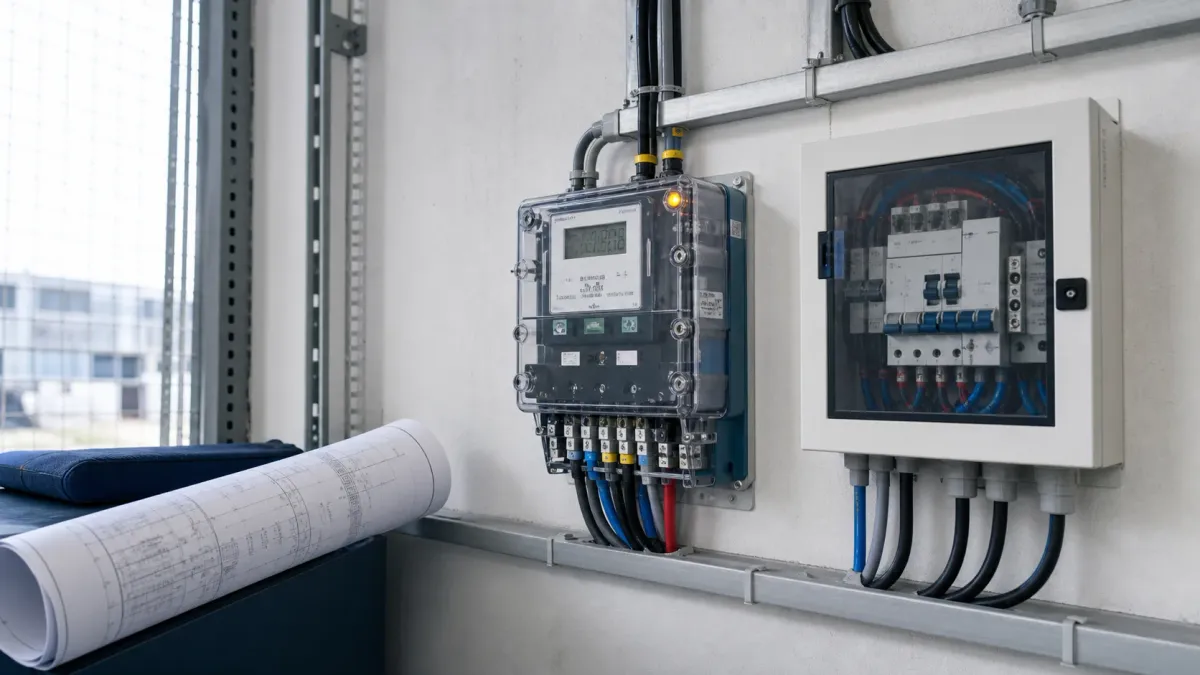
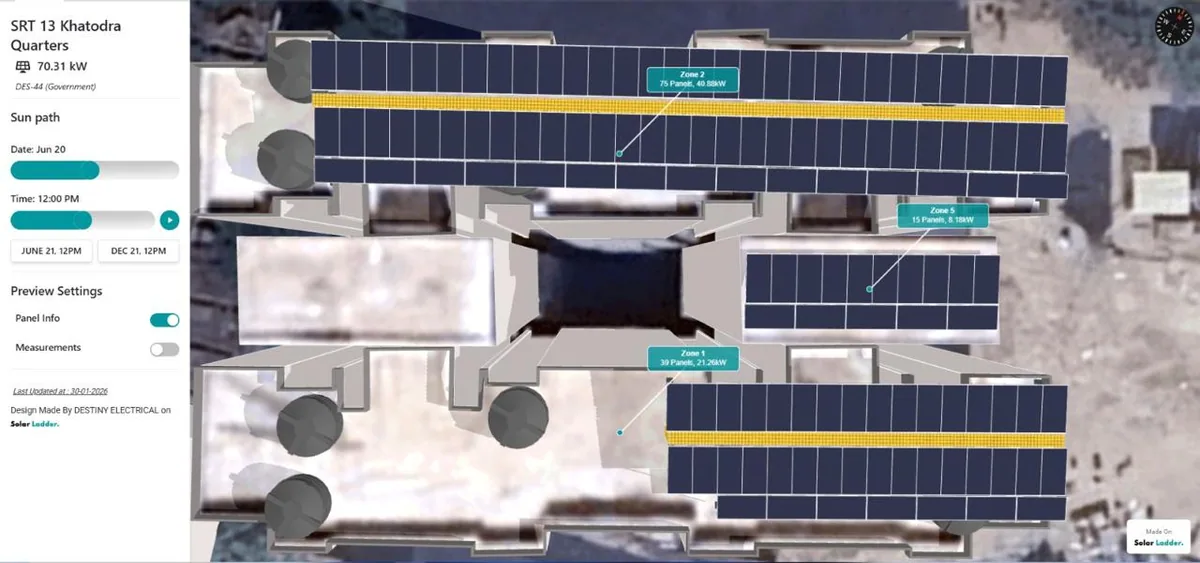
Grid-interactive rooftop systems are eligible for net metering from 1 kW up to 1 MW. Beyond 1 MW the arrangement changes, and a project of that scale is assessed under gross metering or an open-access structure instead.
GERC approved a Fifth Amendment to the net metering regulations with effect from 4 November 2025, part of a run of amendments easing rooftop adoption. Because this area moves, the current position is confirmed at the time of application rather than assumed from a previous project.
The connection level decides the scheme
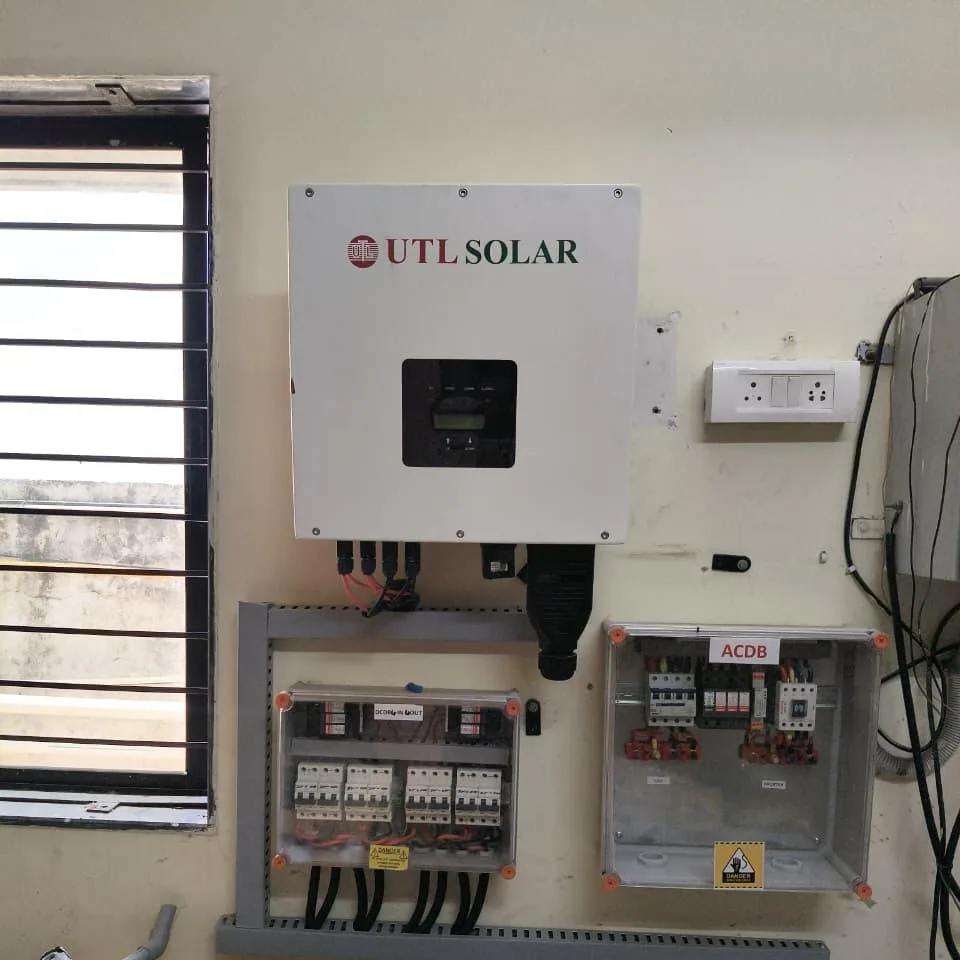
LT connectivity is available up to 150 kVA of contracted demand, raised from 100 kVA under the Fourth Amendment to the Supply Code. Above that the plant connects at HT.
This is not an administrative detail. HT connection brings its own protection scheme, metering arrangement and inspection route, and it changes both cost and programme. It is settled before the layout is drawn.
Transformer capacity is a shared limit
Cumulative solar connected in an area cannot exceed 30% of the distribution transformer capacity serving it. This is a grid stability safeguard applied at area level, not consumer level.
The practical consequence is that your project can be constrained by installations that already exist nearby. In a dense estate this is worth checking before anything is committed.
Above 1 MW: open access and captive
Consumers looking beyond the rooftop ceiling can access open access under GERC regulations, subject to wheeling charges and cross-subsidy surcharge. Captive and group captive structures are the usual routes for larger requirements.
These are different commercial and legal arrangements rather than a bigger version of a rooftop project, and they are evaluated on their own terms. A rooftop plant and an open-access tie-up can also coexist on the same site.
What does not apply to you
PM Surya Ghar central assistance is a residential scheme. It does not extend to commercial or industrial connections, and any proposal that applies a ₹78,000 subsidy to a factory has misread the scheme.
Group housing societies and RWAs are funded separately at ₹18,000 per kW for common facilities, capped at 500 kW inclusive of the individual rooftop plants residents have already installed. That is still a residential provision.
Questions we are asked about this
Does PM Surya Ghar subsidy apply to a factory or office?
No. Central assistance under PM Surya Ghar is for eligible residential consumers and for group housing societies and RWAs on common facilities. Commercial and industrial projects follow their own utility, financing and tax route, principally accelerated depreciation.
What happens above 1 MW in Gujarat?
Net metering applies up to 1 MW. Larger requirements are assessed under gross metering or an open-access structure, subject to wheeling charges and cross-subsidy surcharge under GERC regulations.
Have the Gujarat net metering rules changed recently?
Yes. GERC approved a Fifth Amendment to the net metering regulations with effect from 4 November 2025, and the Fourth Amendment to the Supply Code raised LT connectivity to 150 kVA of contracted demand. The current position is confirmed at application.
What is the 30% transformer rule?
Cumulative solar capacity connected in an area is limited to 30% of the capacity of the distribution transformer serving it, as a grid stability safeguard. It applies at area level, so earlier installations nearby can reduce the headroom available to you.
Work out what this means for your site
The calculator gives a first capacity range from one bill. A survey turns that into something you can put in a business case.