In short
- Wind uplift usually governs, not the dead weight of the modules
- Purlin spacing on a sheet roof is a governing dimension for the array layout
- A sheet near the end of its life should be replaced before an array goes on it
- If the roof cannot take a conventional structure, the alternative should be priced rather than the roof loaded anyway
What the array actually adds
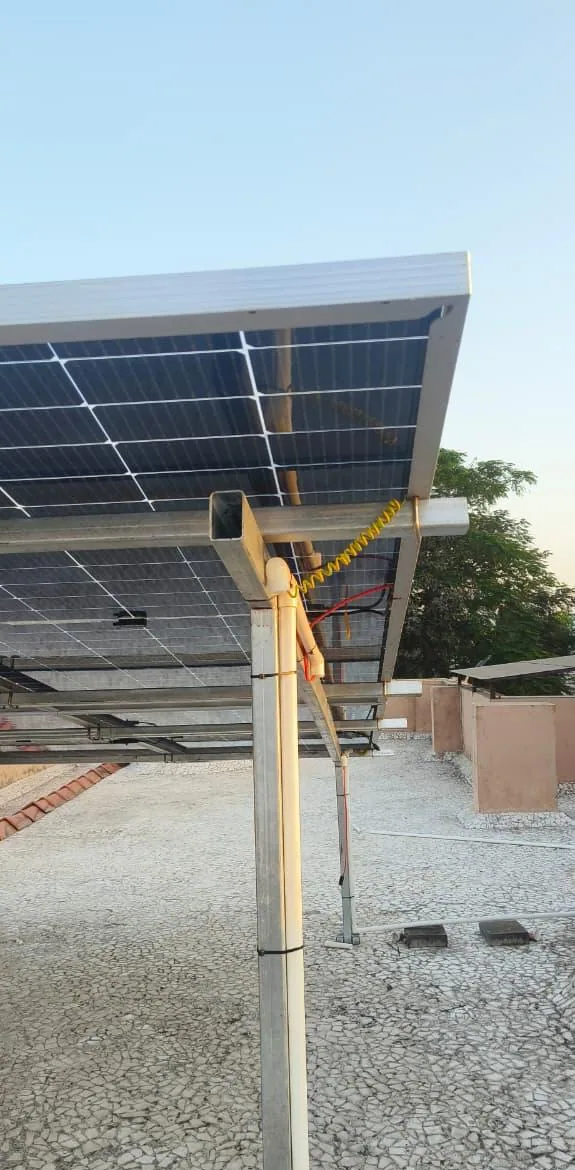
The dead load of a modern rooftop system is modest — modules, rails and clamps together are light relative to most structures. The load that matters more is wind. An array changes the aerodynamic profile of the roof and introduces uplift, which is resisted through the mounting system into the structure below.
On a sheet roof this means the fixings and the purlins they land on carry the design case, and purlin spacing becomes a governing dimension for the layout rather than an afterthought.
Sheet condition and age
Corrosion at the fixing line, previous repairs, walked-on deformation and the age of the sheet all matter. A sheet in poor condition is not a good host for a 25-year asset, and installing over it defers a problem rather than solving it.
Where sheets are near the end of their life, replacing them before the array goes on is almost always cheaper than removing an array to replace them later.
Penetrations, drainage and water
Every fixing through a roof is a potential leak. The detail at each penetration, and how it is sealed and maintained, is part of the installation quality rather than a finishing touch.
Drainage is the other half. An array must not obstruct roof drainage or create ponding, and walkways and service routes need to stay clear so the roof can still be inspected and maintained after the array is on it.
When the answer is no
Sometimes the roof cannot take a conventional structure. The options are then reinforcement, a lighter mounting approach, a reduced array, or ground-mount where land is available.
What should not happen is loading it anyway. A vendor who does not raise structure at all before quoting has either not looked or has decided it is your problem after handover.
- Purlin spacing, section and condition
- Sheet type, thickness, age and corrosion at fixings
- Wind zone and the uplift case for the array
- Existing roof loads and any prior modifications
- Drainage paths, ponding risk and access routes
Questions we are asked about this
How much weight does rooftop solar add?
The dead load of modules, rails and clamps is modest relative to most industrial structures. The governing case is usually wind uplift rather than dead weight, which is resisted through the mounting system into the purlins or slab below.
Can solar be installed on an old sheet roof?
It depends on sheet condition and the state of the fixings. Where sheets are near the end of their service life, replacing them before installing is generally cheaper than removing an array later to replace them.
Will roof fixings cause leaks?
Every penetration is a potential leak, which is why the sealing detail at each fixing is part of installation quality. The array must also keep drainage paths clear so water does not pond.
What if the structural assessment fails?
The options are reinforcement, a lighter mounting system, a smaller array, or ground-mount where land is available. The alternative should be priced honestly rather than the roof being loaded regardless.
Work out what this means for your site
The calculator gives a first capacity range from one bill. A survey turns that into something you can put in a business case.