In short
- Rooftop wins on land cost and cable length where the structure can take it
- Ground-mount simplifies the array but adds civil work, security and usually a longer route
- Cable route length can move a project from attractive to marginal on its own
- A combined scheme still needs one protection philosophy and one operating plan
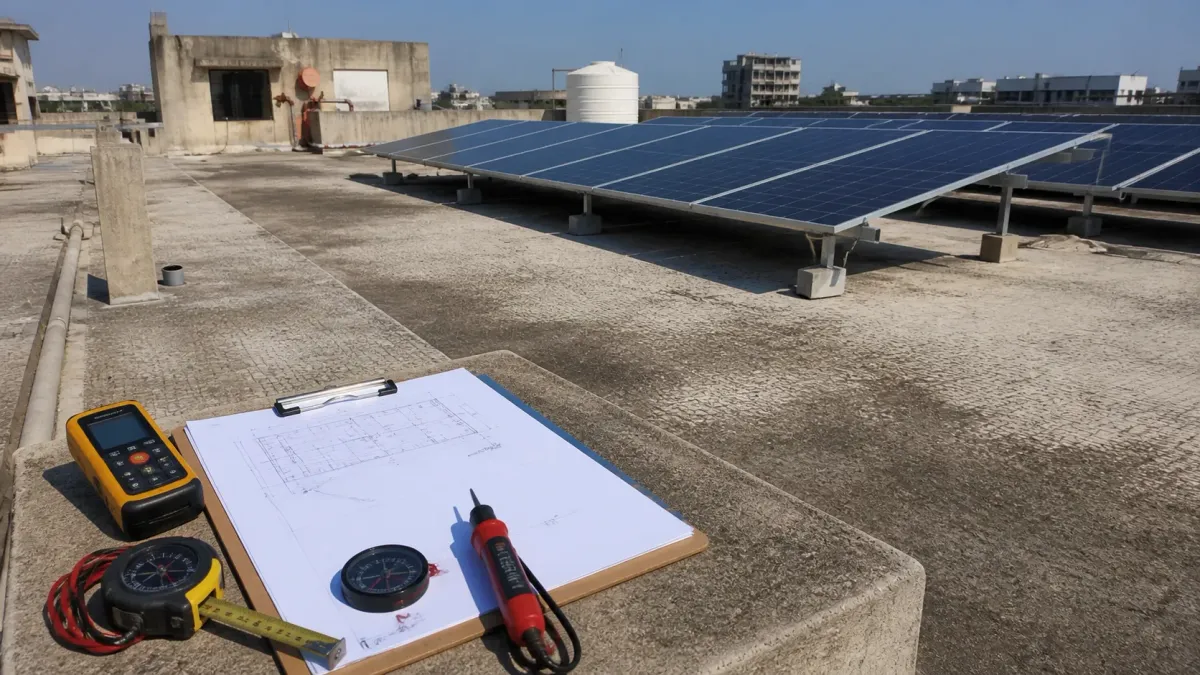
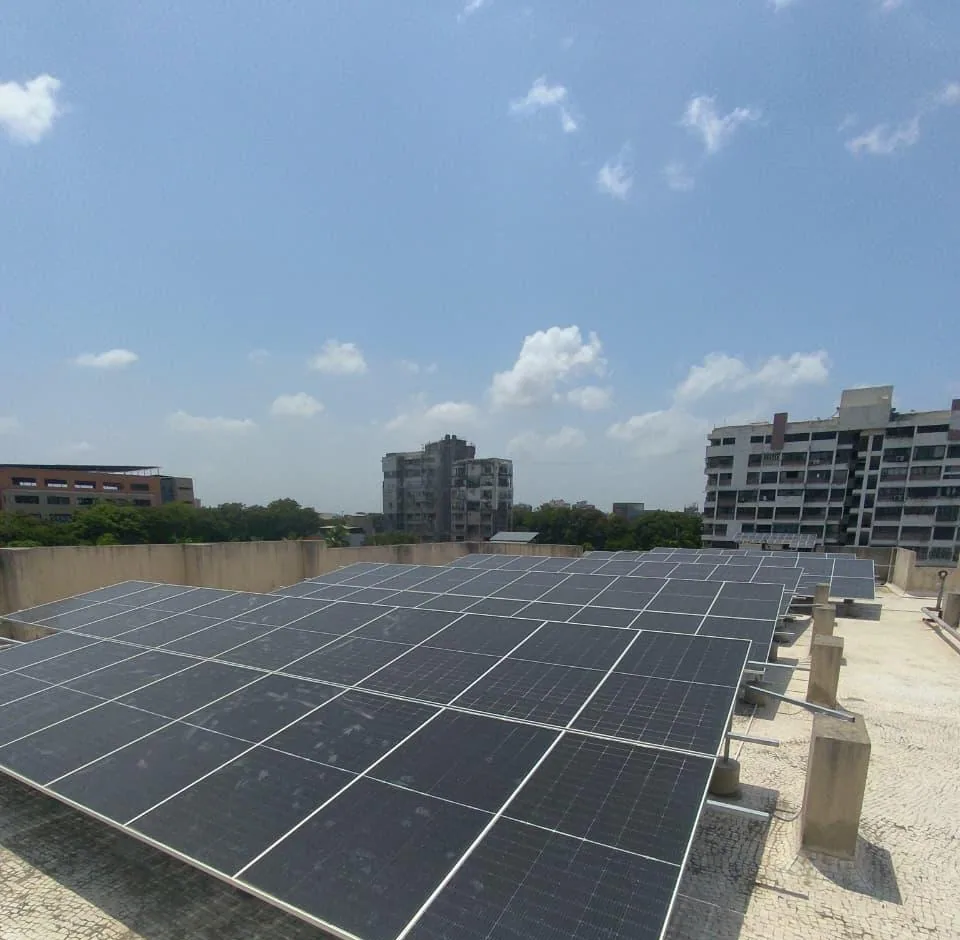
Rooftop uses an asset you already own
It avoids a separate land parcel and puts generation close to the load, which keeps the cable route short. Those two advantages are usually decisive where the roof can take it.
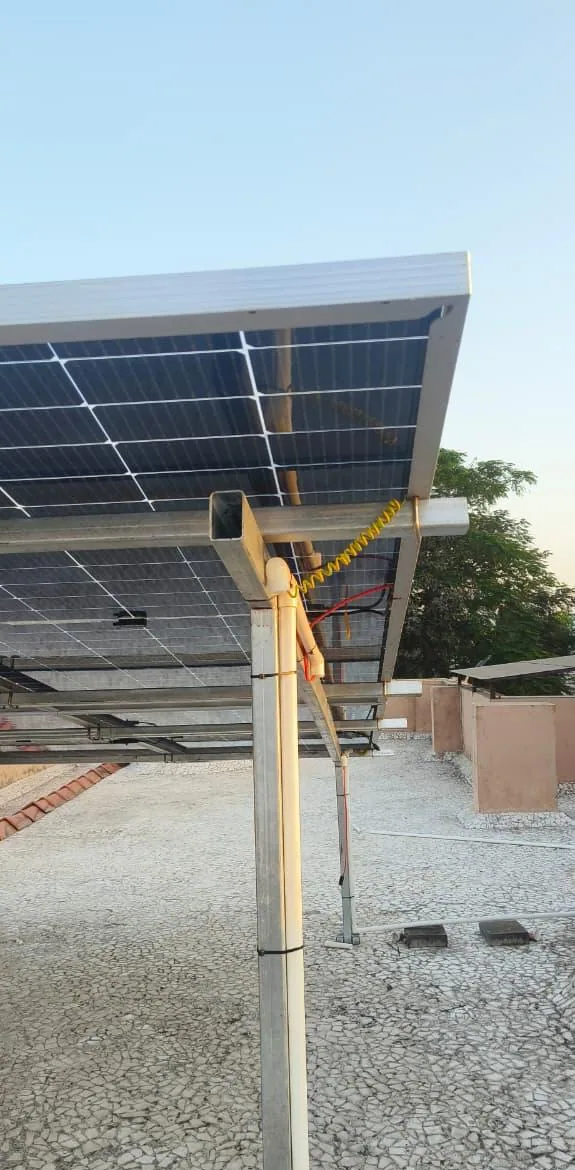
The trade-offs are structural capacity, roof obstacles, working at height, and the need to protect drainage and waterproofing for the life of the array.
Ground-mount simplifies the array and complicates everything else
Open land supports regular row spacing, easier maintenance and simpler construction. Against that sit land cost or opportunity cost, civil work, security, vegetation control, and usually a longer electrical route.
Where a business has unused land adjacent to the plant and a roof that cannot take an array, ground-mount is often the sensible answer rather than a compromise.
The cable route decides more than people expect
Distance from the array to the connection point drives cable sizing, losses, trenching or tray work, and ongoing access. An array sited for convenience can become expensive if the evacuation route is poor.
This is worth modelling early. It is one of the few variables that can move a project from attractive to marginal without anything changing about the modules.
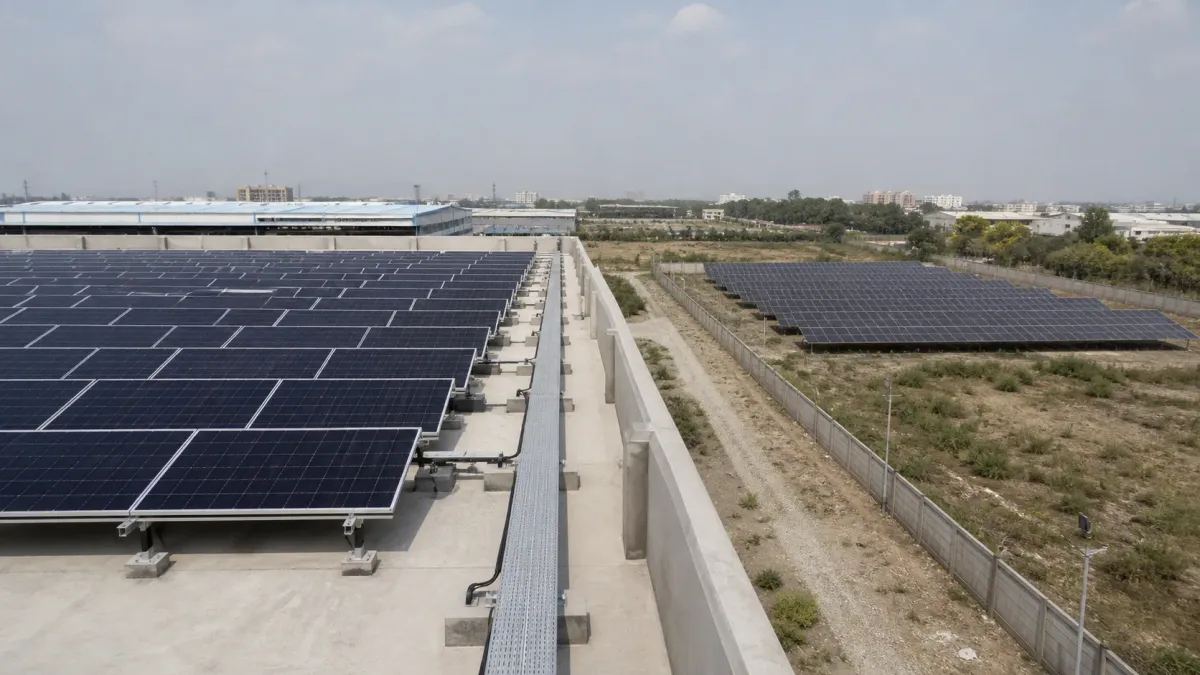
Some sites use both
Where demand and available space justify it, a rooftop array and a ground-mounted array can be combined. They still need one protection philosophy and one operating plan rather than being treated as two unrelated plants.
Questions we are asked about this
Is ground-mounted solar cheaper than rooftop?
Not necessarily. The array itself can be simpler to build, but land, civil work, security, vegetation control and a longer cable route often offset that. The comparison has to include the evacuation route.
How much land does a ground-mounted plant need?
Considerably more than the equivalent rooftop area, because row spacing must avoid inter-row shading and allow maintenance access. The figure depends on latitude, tilt and the module technology used.
Can a business have both rooftop and ground-mount?
Yes, where demand and space justify it. They should be designed under one protection philosophy and one operating plan rather than as two separate plants.
Work out what this means for your site
The calculator gives a first capacity range from one bill. A survey turns that into something you can put in a business case.